Navigating the Tumor Terrain: A Comprehensive Guide to Cancer Care and Survivorship
Facing a diagnosis of cancer can feel like stepping onto an unknown path where every twist and turn seems daunting. However, navigating through the complexities of oncology is not just about confronting a malignancy; it’s about empowerment and strategizing your way toward recovery. Patients often find themselves wrestling with *questions about treatment options, lifestyle changes*, and *symptom management*— but the good news is, there are essential strategies that can help ease this journey. Picture it this way: instead of merely enduring your cancer journey, you can actively engage with it, crafting your story of survivorship with strength and resilience.
One of the most empowering strategies is to become an informed patient. By understanding your diagnosis—be it carcinoma, a rare tumor type, or advanced stages of cancer—you can make better decisions regarding your healthcare. Research studies and case studies have shown that patients who are well-informed about their treatment options, including *chemotherapy*, *radiation*, and *immunotherapy*, often experience greater satisfaction with their care. Did you know that actively participating in discussions with your physician can lead to more tailored therapies? So, don’t hesitate to ask questions, seek clarifications, and explore resources. After all, knowledge is power!
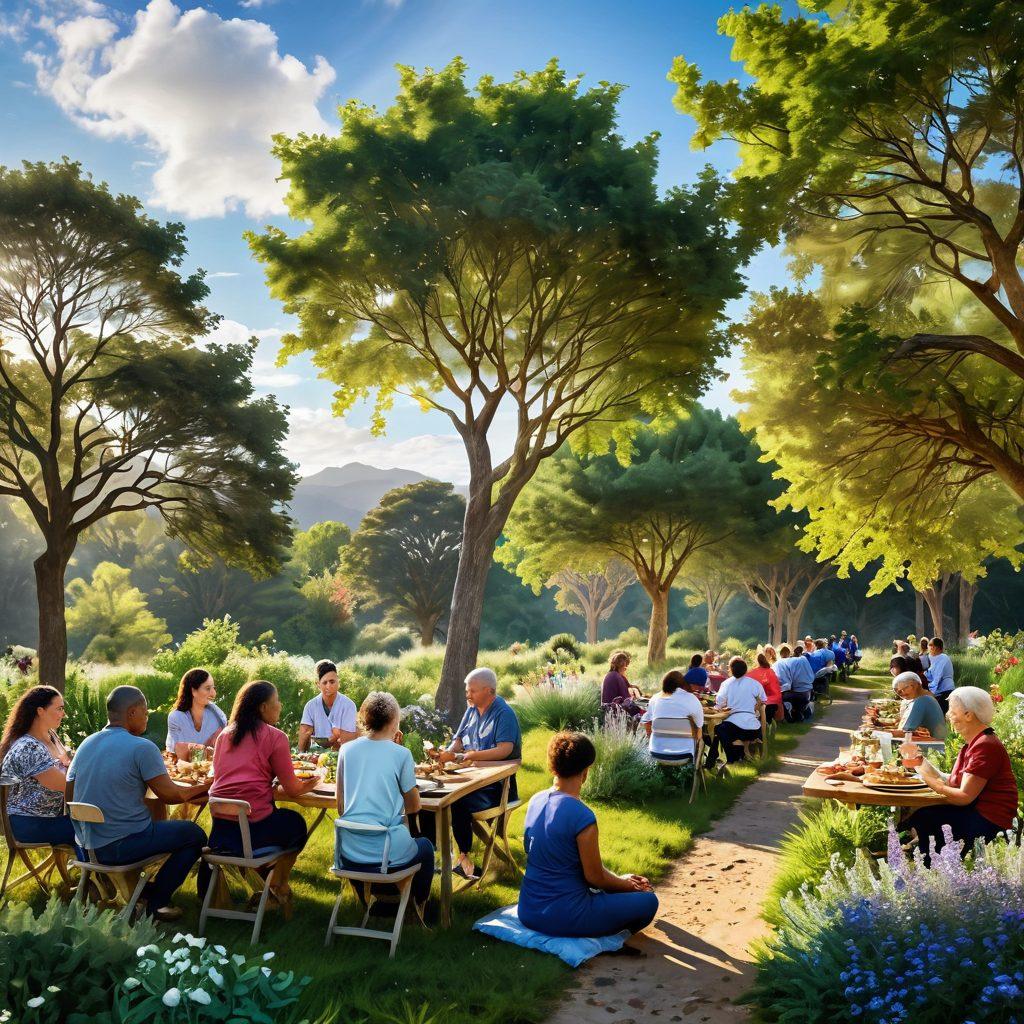
Another essential aspect of navigating your cancer journey is tapping into the supportive community around you. *Patient support* is not merely an afterthought; it is vital for *wellbeing*. Consider joining local or online support groups where individuals share similar experiences. The bonds created in these spaces can help combat feelings of isolation. Additionally, advocacy groups can be a treasure trove of information, providing access to *medical blogs* and health blogs that delve deep into fellow survivors’ stories. Each shared experience can illuminate pathways you hadn’t considered, offering solace and strategies that resonate on a personal level.
And what about *nutrition and lifestyle changes*? Integrating *holistic health* approaches can significantly impact your recovery process. Many patients discover that adjusting their diets, incorporating more whole foods, or even practicing mindfulness can enhance their overall health. Simple shifts, such as increasing your intake of fruits and vegetables or engaging in gentle exercises, can support your body through therapies. It's remarkable how small actions can lead to monumental changes. So, let’s dive deeper—what does your ideal day of nutrition look like? How can you bring mindfulness into your routine?
Lastly, always remember that your journey does not have to be walked alone. As you navigate your cancer care, actively seek out resources, books, and blogs dedicated to cancer awareness. Stay committed to becoming your best advocate. What strategies can you implement today to propel your journey forward? Documenting your experiences can both offer personal insights and empower others, contributing to a cycle of *community support* that resonates far beyond individual cases. Together, through shared knowledge and support, we can turn moments of despair into stories of triumph.
From Diagnosis to Thriving: Comprehensive Insights into Cancer Care and Survivorship
Navigating through the tumultuous waters of a cancer diagnosis can feel like stepping into the unknown. It's as if your life has been turned upside down, and every day presents a daunting challenge. However, this journey is not just about the struggles faced – it’s a complex tapestry of resilience, healing, and ultimately, thriving. From the very moment you hear the word 'malignancy' echo in the physician's office, it's essential to map out a pathway to comprehensive cancer care and survivorship. Could this transition from diagnosis to thriving be the most significant transformation of your life?
Embarking on the path of oncological care often requires understanding an array of terms that may initially seem overwhelming. Terms like 'carcinoma', 'chemotherapy', and 'radiation' may swirl around in your mind, each signifying a different aspect of your treatment plan. But remember, knowledge is power! Engage in open discussions with your healthcare professionals, explore case studies, and educate yourself through reputable medical blogs that share insights into the latest clinical research. What if instead of fear, you embraced curiosity about each aspect of your treatment?
As you navigate through various therapies – be it immunotherapy or conventional chemotherapy – expect to learn more about your body and its incredible capacity to heal. Survivorship does not merely mean surviving cancer; it means thriving in a new lifestyle marked by profound changes. Along this journey, patient support plays a crucial role. Finding a community of fellow survivors can provide much-needed encouragement and perspective. How often do we underestimate the power of shared experiences?
Nutrition and lifestyle changes become key players in your cancer care and survivorship. You might think, ‘Can a simple change in diet really make a difference?’ Absolutely! Fueling your body with wholesome foods can enhance your wellbeing, aid in symptom management, and foster an environment for healing. Radically transforming your lifestyle can feel daunting, but integrating small, manageable changes is an empowering approach. Imagine the vitality that awaits you post-treatment!
Advocacy is another pivotal element in the cancer landscape. It’s about making your voice heard, whether it's seeking information, addressing concerns with your medical team, or participating in community awareness initiatives. Each step taken is a testament to your courage and determination. By intertwining advocacy with your care, you not only redefine your journey but also pave the way for others. What legacy of awareness will you create for future generations?
Unlocking the Path to Wellness: Integrating Therapies, Nutrition, and Community Support in Cancer Care
Navigating the tumultuous waters of cancer care can feel overwhelming, especially as patients face the myriad of decisions and changes required after a diagnosis of malignancy. The journey through oncology treatments like chemotherapy, radiation, or immunotherapy is often fraught with questions. How can we best support our bodies? What role does nutrition play in recovery? Are community support systems effective in fostering wellbeing during this time? Rest assured, this blog strives to unlock the path to wellness by integrating therapies, nutrition, and community support in cancer care, paving the way towards a brighter and healthier future for those faced with carcinoma.
Imagine standing at the crossroads of your diagnosis; it’s here where you must decide not just how to tackle the tumor, but how to nurture yourself holistically. The integration of various therapies goes beyond traditional healthcare strategies. Innovative approaches in clinical research present a plethora of options that can be tailored to individual needs. Each patient's journey is unique, and understanding the diverse landscape of treatment options is vital. As one survivor famously noted, "Cancer may be a part of my story, but it does not define my story." This sentiment highlights the importance of combining conventional treatments with complementary therapies for maximal impact on survivorship.
Nutrition plays a pivotal role in the journey of cancer care, acting as the foundation upon which our physical and emotional resilience is built. The body requires support to endure aggressive treatments and recover afterward. Eating a balanced diet rich in fruits, vegetables, whole grains, and lean proteins can not only strengthen the immune system but also assist in symptom management. Have you ever considered how the food on your plate might influence your recovery? Studies have shown that patients who engage in lifestyle changes and maintain a nutrient-dense diet often experience fewer treatment side effects. By prioritizing nutrition, you can empower yourself on your health blog or in conversation with your physician, advocating for tailored dietary recommendations that align with your specific situation.
Community support cannot be underestimated when it comes to fostering overall wellbeing. Whether it’s joining a local support group or participating in virtual meet-ups, sharing experiences with other survivors creates a bond that is both healing and uplifting. Engaging with others on similar journeys encourages advocacy, as patients collectively voice their needs for better care options and research studies. Have you found a community that resonates with your experience? Remember, healing doesn’t happen in isolation; rather, it flourishes in the shared stories and empathy of those who understand the weight of living with cancer. The right support can inspire hope and resilience.
Ultimately, navigating cancer care requires a mindset shift. It’s about embracing a holistic health approach that combines medical intervention with emotional and nutritional wellness. As we move forward, let's advocate for comprehensive cancer care—one that synchronizes treatment, nutrition, and community support seamlessly. Each step taken and every resource utilized brings you closer to achieving optimal survivorship. So, are you ready to embark on your path to wellness? Together, let’s unlock a future filled with health, vitality, and hope.